
As CRM Software for Small Business: Top Tools Compared takes center stage, this opening passage beckons readers into a world crafted with good knowledge, ensuring a reading experience that is both absorbing and distinctly original.
In the competitive landscape of small business operations, the right CRM software can make all the difference. Let’s delve into the realm of CRM tools tailored for small businesses and compare the top contenders in the market.
Overview of CRM Software for Small Business
Customer Relationship Management (CRM) software is essential for small businesses looking to streamline their operations, improve customer relationships, and boost sales. By utilizing CRM software, small businesses can effectively manage customer data, track interactions, and analyze customer behavior to make informed business decisions.
Key Features to Look for in CRM Software for Small Businesses
- Centralized Customer Database: A CRM system should provide a centralized database where all customer information is stored and easily accessible.
- Interaction Tracking: The ability to track customer interactions across various channels such as email, phone calls, and social media is crucial for understanding customer needs.
- Automation Tools: Look for CRM software that offers automation tools for tasks like lead scoring, email marketing, and sales forecasting to save time and increase efficiency.
- Reporting and Analytics: Detailed reporting and analytics features can help small businesses track sales performance, customer engagement, and marketing campaigns to optimize strategies.
Benefits of Using CRM Software for Small Businesses
- Improved Customer Relationships: By having a comprehensive view of customer data and interactions, small businesses can personalize their approach and provide better customer service.
- Increased Productivity: CRM software automates repetitive tasks, streamlines workflows, and provides real-time insights, allowing small businesses to focus on core operations and strategic initiatives.
- Enhanced Sales Performance: With access to valuable customer insights and sales data, small businesses can identify opportunities, prioritize leads, and close deals faster, leading to increased revenue.
Popular CRM Software Options for Small Businesses
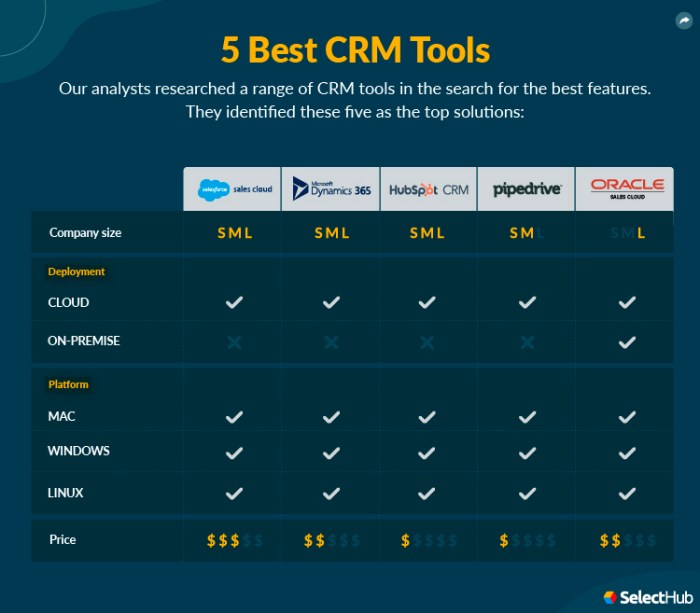
When it comes to CRM software for small businesses, there are several popular options available in the market. Each tool offers unique features and pricing plans to cater to the specific needs of small businesses.
1. HubSpot CRM
HubSpot CRM is a popular choice for small businesses due to its user-friendly interface and robust features. It offers a free version with basic CRM functionality, making it ideal for startups and small businesses on a budget. The paid plans include additional features like email tracking, lead scoring, and reporting tools.
2. Salesforce CRM
Salesforce CRM is a comprehensive solution that caters to businesses of all sizes, including small businesses. It offers various pricing plans, including a small business edition, which provides essential CRM tools at an affordable price. Salesforce CRM is known for its customization options and integration capabilities with other business tools.
3. Zoho CRM
Zoho CRM is another popular choice among small businesses for its affordability and ease of use. It offers a range of pricing plans to suit different business needs, including a free version for up to three users. Zoho CRM features automation tools, lead management, and sales forecasting capabilities.
4. Pipedrive
Pipedrive is a CRM tool designed specifically for sales teams in small businesses. It offers a visual sales pipeline that helps users track deals and prioritize tasks effectively. Pipedrive’s pricing plans are based on the number of users, making it a flexible option for growing small businesses.
5. Freshsales
Freshsales is a CRM software that offers AI-powered features to help small businesses automate their sales processes. It provides lead scoring, email tracking, and built-in phone capabilities. Freshsales offers different pricing plans based on the features and customization options required by small businesses.Overall, each of these CRM software options has its own strengths and unique features that cater to the specific needs of small businesses.
It’s essential for small business owners to evaluate their requirements and budget constraints before selecting the CRM software that best fits their needs.
Customization and Integration Capabilities
Customization and integration capabilities are crucial aspects of CRM software for small businesses. Let’s explore how CRM software can be tailored to meet specific needs and the importance of integrating it with other tools and platforms.
Customization of CRM Software
CRM software can be customized to suit the specific requirements of a small business. This includes modifying fields, creating personalized reports, setting up automated workflows, and designing unique dashboards tailored to the company’s workflow.
Integration with Other Tools and Platforms
Integrating CRM software with other tools and platforms is essential for streamlining processes and ensuring seamless data flow. By connecting CRM software with email marketing tools, accounting software, customer support systems, and e-commerce platforms, businesses can centralize data and enhance communication with customers.
Examples of Successful CRM Software Integrations
- Integration of CRM software with email marketing tools like MailChimp to automate email campaigns based on customer interactions and preferences.
- Integration with accounting software such as QuickBooks to sync financial data and streamline invoicing processes.
- Connecting CRM software with social media platforms like Facebook and Twitter to track customer engagement and interactions across different channels.
User-Friendly Interface and Ease of Use
When it comes to CRM software for small businesses, having a user-friendly interface is crucial for ensuring smooth adoption and usage. Let’s evaluate the user interface of popular CRM software tools in terms of simplicity and ease of navigation, share tips on how small businesses can ensure smooth adoption and usage of CRM software, and discuss the importance of training and support options offered by CRM software providers.
User Interface Evaluation
- Look for CRM software with a clean and intuitive interface that is easy to navigate.
- Check for customizable dashboards and the ability to easily access important customer data.
- Consider the layout of the software and how user-friendly it is for employees with varying levels of tech-savviness.
Tips for Smooth Adoption
- Provide thorough training sessions for employees to ensure they understand how to use the CRM software effectively.
- Encourage employees to actively use the CRM software in their daily tasks to familiarize themselves with its features.
- Assign a dedicated team member or department to provide ongoing support and address any issues or questions that may arise.
Importance of Training and Support
- CRM software providers should offer comprehensive training resources, such as tutorials, guides, and webinars, to help users maximize the software’s potential.
- Responsive customer support is essential for addressing any technical issues or questions that users may have while using the CRM software.
- Regular updates and improvements to the software ensure that users have access to the latest features and enhancements for a better user experience.
Closing Summary
In conclusion, navigating the realm of CRM software for small businesses can be a game-changer in optimizing operations and customer relationships. By choosing the right tool and understanding its benefits, small business owners can propel their ventures to new heights of success.
Key Questions Answered
What key features should small businesses look for in CRM software?
Small businesses should prioritize features like contact management, lead tracking, task automation, and reporting capabilities in CRM software.
How can CRM software be customized for specific small business needs?
CRM software can be customized by configuring fields, workflows, and automation rules tailored to the unique requirements of a small business.
Why is integrating CRM software with other tools important?
Integrating CRM software with other tools allows for seamless data flow, improved efficiency, and a holistic view of customer interactions across platforms.
How can small businesses ensure smooth adoption of CRM software?
Small businesses can ensure smooth adoption by providing adequate training to employees, setting clear goals for CRM implementation, and offering ongoing support for users.








![Depo-Provera Brain Tumor Lawsuit [August 2025 Update]](https://foqe.net/wp-content/uploads/2026/05/daa362ed3199f833d355b174e051992e-120x86.jpg)