Dangerous Drug Lawsuits: Joining a Mass Tort for Pharmaceutical Negligence sets the stage for this enthralling narrative, offering readers a glimpse into a story that is rich in detail and brimming with originality.
The topic delves into the complexities of mass torts in pharmaceutical negligence cases, shedding light on the legal system’s nuances and the impact on consumers.
Understanding Mass Torts in Dangerous Drug Lawsuits
Mass torts are legal cases involving numerous plaintiffs who have suffered harm from the same product or action. In the context of dangerous drug lawsuits, mass torts commonly arise when individuals experience adverse effects from pharmaceutical products.
Mass Torts vs. Class Action Lawsuits
- Mass torts involve individual lawsuits that are consolidated due to similar circumstances, while class action lawsuits represent a group of plaintiffs as a single entity.
- In mass torts, each plaintiff maintains their autonomy and can negotiate their settlement, whereas in class actions, decisions typically apply to the entire group.
- Class action lawsuits are more suitable for cases with a large number of plaintiffs who have suffered relatively small damages, while mass torts are ideal for cases with varying degrees of harm.
Advantages and Disadvantages of Joining a Mass Tort for Pharmaceutical Negligence
- Advantages:
- Strength in Numbers: Joining a mass tort allows individuals to pool resources and evidence, increasing the chances of a successful outcome.
- Customized Compensation: Plaintiffs can negotiate individual settlements based on the specific damages they have suffered.
- Specialized Legal Representation: Mass torts often involve law firms with expertise in handling complex pharmaceutical cases.
- Disadvantages:
- Lengthy Legal Process: Mass torts can take years to resolve, delaying compensation for plaintiffs.
- Uncertain Outcomes: The success of a mass tort case can vary, and there is no guarantee of a favorable verdict for all plaintiffs.
- Potential Costs: Legal fees and expenses associated with a mass tort can be significant, impacting the final compensation received by plaintiffs.
Factors Contributing to Pharmaceutical Negligence
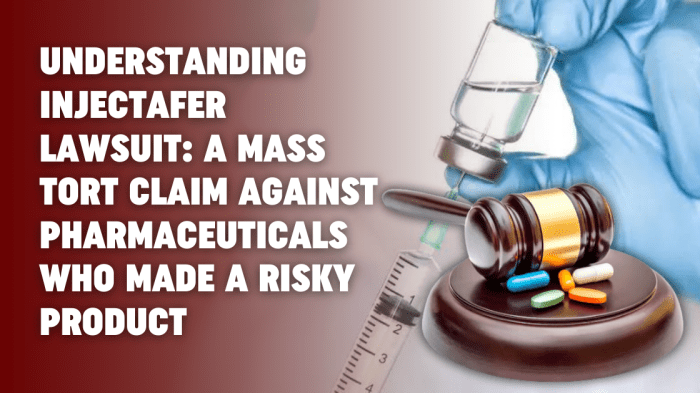
Pharmaceutical negligence can stem from various factors, ranging from inadequate testing to misleading marketing practices. These factors can ultimately harm patients and lead to mass tort lawsuits seeking justice for those affected.
Common Causes of Pharmaceutical Negligence
- Insufficient Testing: Rushing drugs to market without thorough testing can result in unforeseen side effects and dangers.
- False Marketing Claims: Misrepresenting the benefits or risks of a drug can lead to patients being misled and harmed.
- Poor Quality Control: Inadequate quality control measures during manufacturing can result in contamination or inconsistencies in the medication.
Examples of Pharmaceutical Negligence Cases
- In the case of Vioxx, a pain medication, the manufacturer failed to disclose the increased risk of heart attacks associated with the drug, leading to numerous lawsuits.
- The opioid crisis in the United States was fueled by pharmaceutical companies downplaying the addictive nature of their painkillers, resulting in widespread addiction and overdose deaths.
Role of Regulatory Bodies in Preventing Pharmaceutical Negligence
Regulatory bodies such as the FDA play a crucial role in overseeing the pharmaceutical industry and ensuring the safety and efficacy of medications. They set guidelines for testing, approval, and marketing of drugs to protect consumers from harm. However, instances of regulatory capture or inadequate oversight can still occur, leading to pharmaceutical negligence and the need for mass tort litigation.
Steps to Joining a Mass Tort for Dangerous Drug Lawsuits

Joining a mass tort for pharmaceutical negligence involves a series of steps that individuals need to follow in order to seek justice and compensation for any harm caused by a dangerous drug. It is crucial to understand the process and requirements to ensure a successful participation in the lawsuit.
Determining Eligibility for Participation
- Individuals who have suffered harm or injury as a result of using a specific dangerous drug may be eligible to join a mass tort.
- It is important to consult with a legal professional who specializes in mass torts to evaluate your case and determine eligibility.
- Evidence of the harm caused by the drug, such as medical records and documentation of the adverse effects, will be crucial in determining eligibility.
Importance of Seeking Legal Counsel
- Legal counsel can provide valuable guidance and support throughout the process of joining a mass tort, ensuring that your rights are protected.
- Experienced attorneys can help you navigate the complex legal system, gather necessary evidence, and represent your interests in court.
- Having a legal advocate on your side can increase the chances of a successful outcome in the mass tort, including obtaining fair compensation for the harm suffered.
Impact of Dangerous Drug Lawsuits on Consumers

When dangerous drug lawsuits occur, the consequences on affected individuals can be severe. Consumers who have been harmed by pharmaceutical negligence may experience physical, emotional, and financial hardships as a result of their injuries. These lawsuits can lead to a loss of trust in the medical system and pharmaceutical companies, causing distress and uncertainty among consumers.
Pharmaceutical Companies Response to Mass Torts and Lawsuits
Pharmaceutical companies typically respond to mass torts and lawsuits by defending their products and practices. They may hire legal teams to dispute the claims made against them, aiming to minimize financial losses and protect their reputation. In some cases, companies may choose to settle out of court to avoid negative publicity and potential damage to their brand.
Implications of Successful Mass Torts on Future Pharmaceutical Practices
Successful mass torts can have a significant impact on future pharmaceutical practices. When companies are held accountable for negligence and misconduct, it can lead to stricter regulations, improved safety protocols, and increased transparency in the industry. Consumers may also benefit from more thorough testing and monitoring of medications, ultimately leading to better protection against harmful drugs in the future.
Last Point
In conclusion, Dangerous Drug Lawsuits: Joining a Mass Tort for Pharmaceutical Negligence highlights the importance of seeking legal recourse in cases of pharmaceutical negligence, ultimately aiming to hold companies accountable and ensure consumer safety.
Detailed FAQs
What are mass torts and how do they differ from class action lawsuits?
Mass torts involve multiple plaintiffs with similar claims against a defendant, while class actions involve a representative suing on behalf of a group of people.
How can individuals determine if they qualify to join a mass tort for pharmaceutical negligence?
Individuals can typically qualify if they have suffered harm due to a specific pharmaceutical product and meet certain criteria Artikeld by legal teams handling the mass tort.
What are the potential consequences of dangerous drug lawsuits on affected individuals?
Affected individuals may receive compensation for damages, but they could also face lengthy legal processes and emotional distress.
How do pharmaceutical companies respond to mass torts and lawsuits?
Pharmaceutical companies often defend themselves vigorously in court, seeking to minimize financial losses and protect their reputation.
What implications do successful mass torts have on future pharmaceutical practices?
Successful mass torts can lead to increased scrutiny on pharmaceutical companies, potentially resulting in improved safety measures and better regulation.